8 pieces
Vessels and Bowls
Raised and sunk hollowware, worked up from a flat disc of sheet with hammers and stakes.
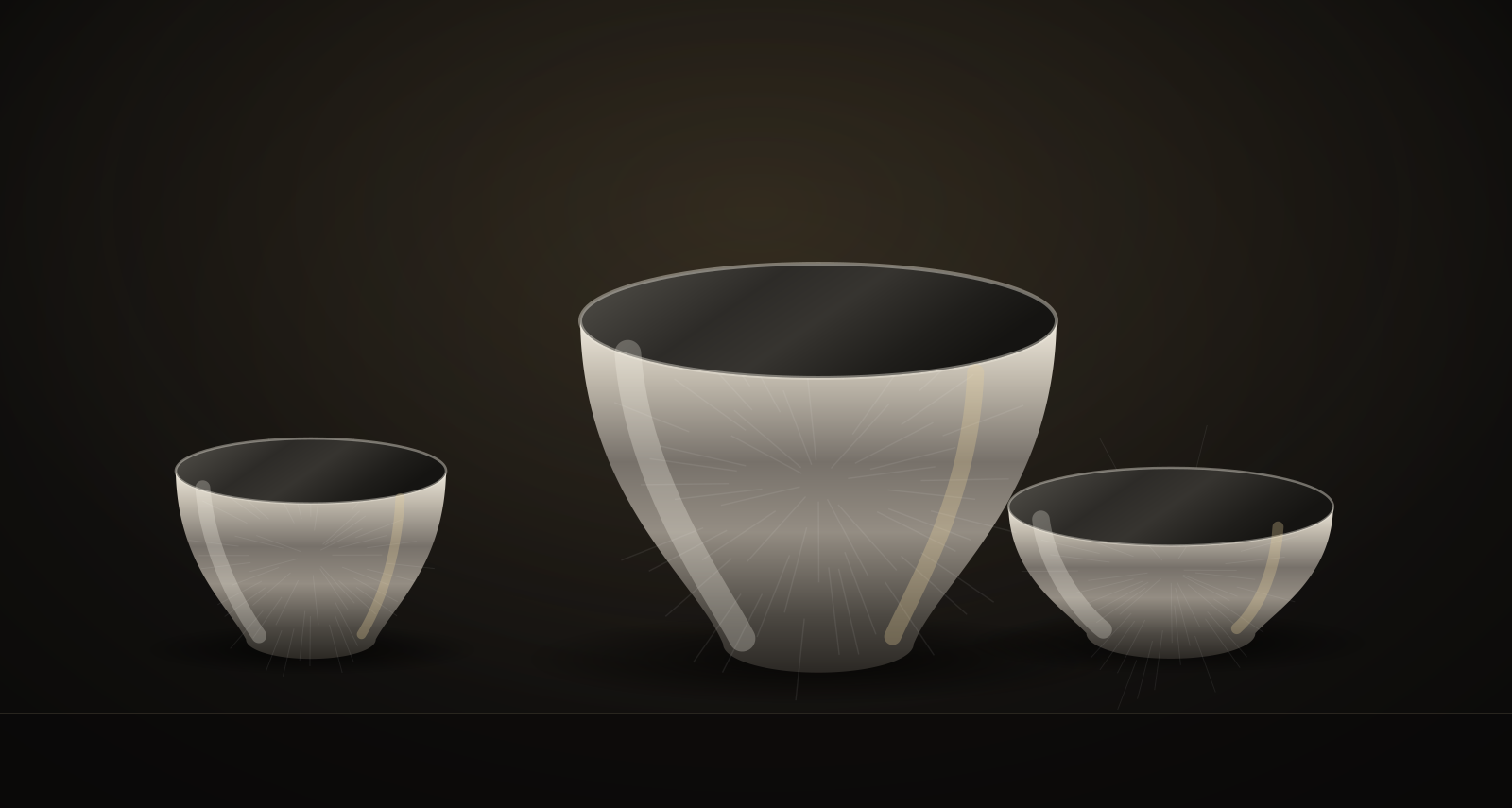
A raised vessel begins as a flat circle of sheet and ends as a hollow form without a single seam. The metal is driven down over a stake in courses, annealed after every course, and worked round and round until the walls stand where you want them. A small beaker takes maybe eight annealings. A deep bowl takes sixteen or more.
You can tell a raised piece from a spun one by the inside. Raising leaves the faint terracing of the hammer courses under the planishing, and the wall is thicker at the rim than at the base because the metal has been compressed rather than stretched. Spun work is even all through and much quicker. Both make good objects. Only one of them is what I do.
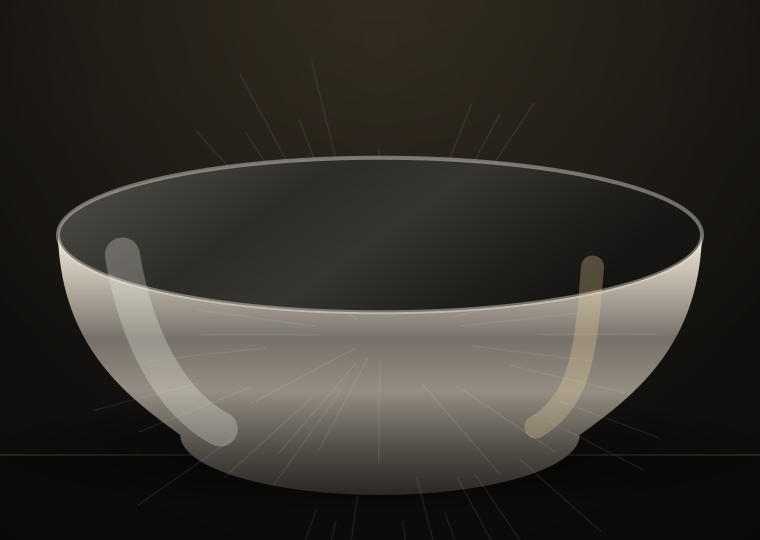
Small Dish, 70 mm
Sunk rather than raised, from a 90 mm disc of 1.2 mm sheet, then planished all over. Shallow enough for rings at the end of the day and heavy enough that it stays where you put it.
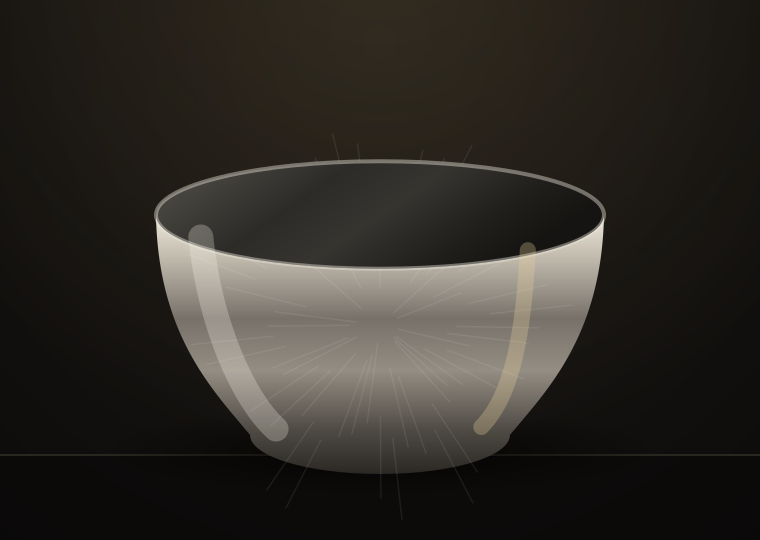
Open Salt, Raised
A small raised cup on a soldered foot ring, for salt at the table. Salt is hard on silver, so wash and dry it after use rather than leaving it filled. There is more on that in looking after silver at home.
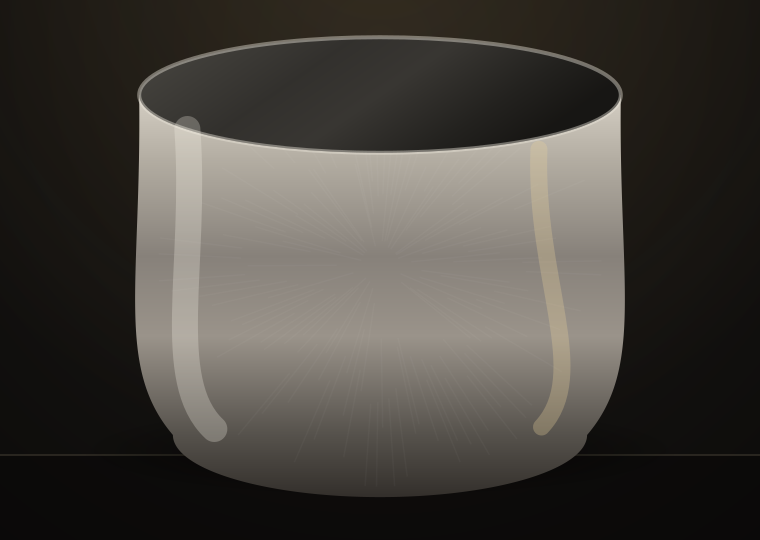
Beaker, Straight-Sided
A plain cylinder raised from a 165 mm disc, with a thickened rim and a flat base. About 220 ml. The simplest hollow form there is and the one that shows any wobble in the raising, which is why I keep making it.
Beaker, Flared
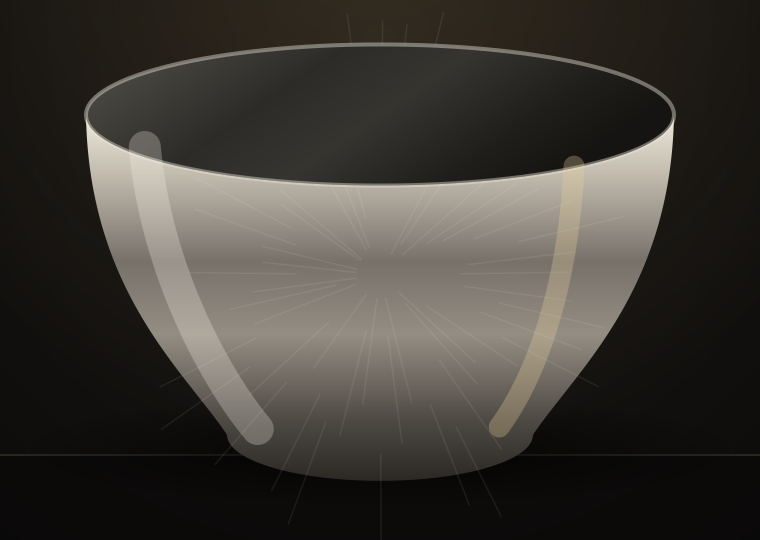
The same beaker opened out towards the rim, which is harder because the metal has to stretch at the top rather than compress. Made in Britannia because the softer alloy takes the flare with fewer annealings and holds a warmer white.
Bowl, Raised 120 mm
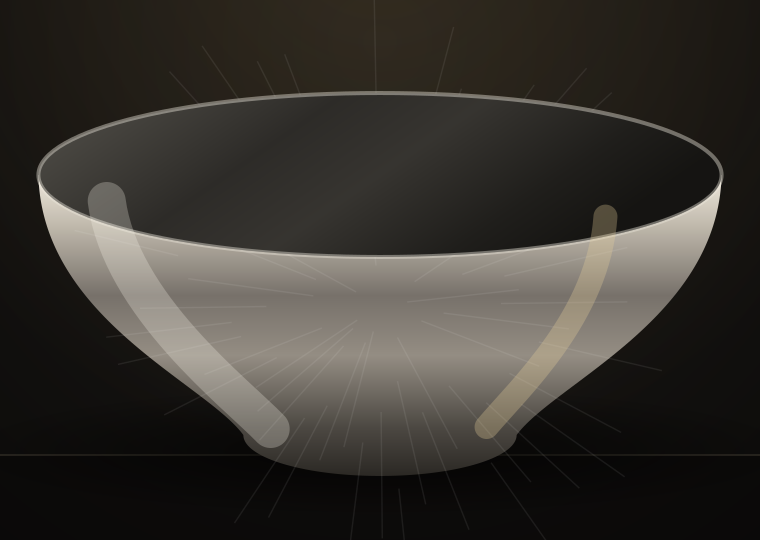
Raised from a 170 mm disc over three stakes, annealed about sixteen times, then planished with a flat-faced hammer so the facets run in rings from the base outward. Around three days at the bench, spread across a week.
Bowl, Sunk 150 mm
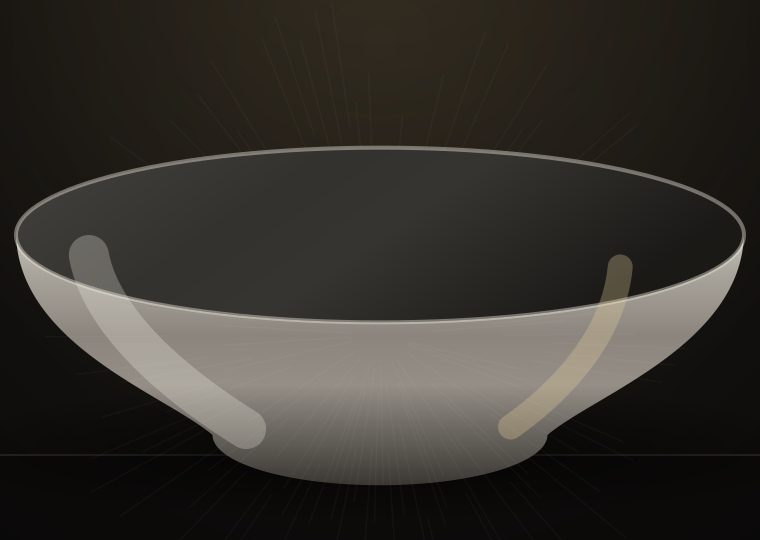
Wider and shallower, sunk into a wooden block and then trued over a stake. A matte surface on something this broad keeps it from behaving like a mirror on the table, which a polished bowl of this size does relentlessly.
Lidded Pot, 60 mm
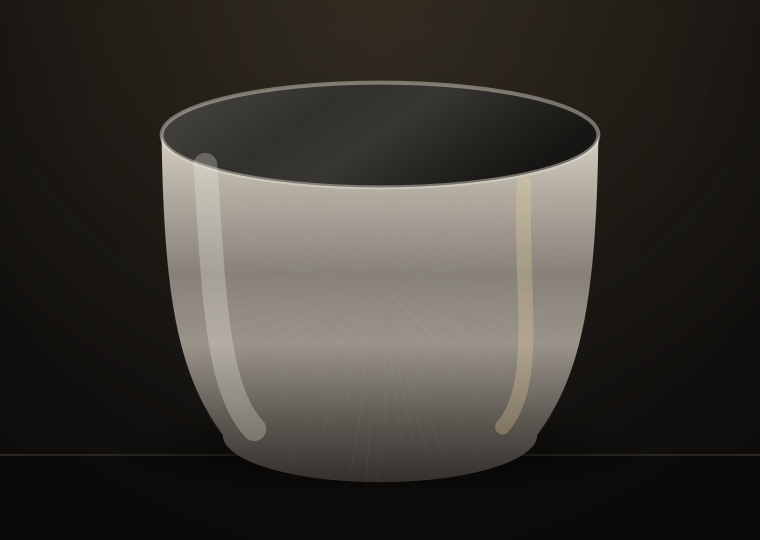
A raised body with a stepped lid that sits inside the rim, close enough to drop under its own weight and stop. Fitting a lid is fussy work and most of the making time goes on the last half millimetre.
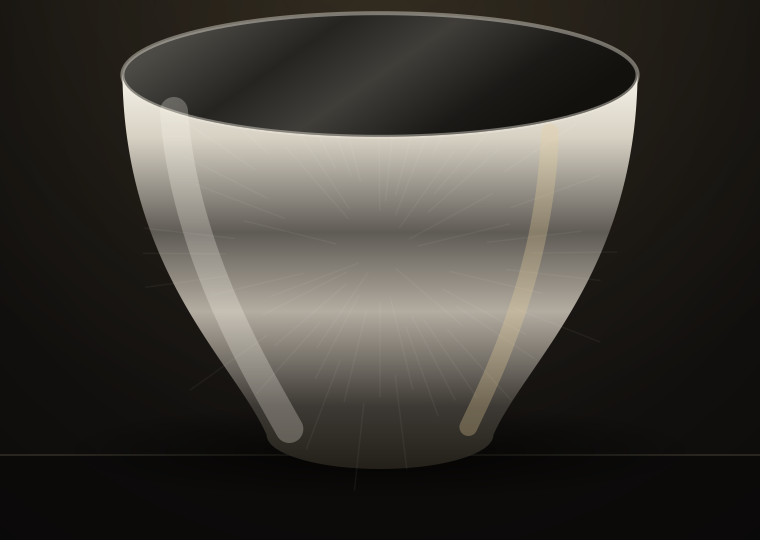
Footed Cup
A raised cup on a raised and soldered foot, polished right through the grades to a mirror. The largest thing I make on my own without help, and the piece I would show someone who asked what raising is for.
Capacities are approximate, measured to about 8 mm below the rim. Every vessel sits flat; if one arrives and rocks, that is my fault and I will correct it.
The other collections