8 pieces
Spoons and Small Tools
Bowls sunk from flat sheet and handles forged from the same piece, made one at a time and finished by hand.
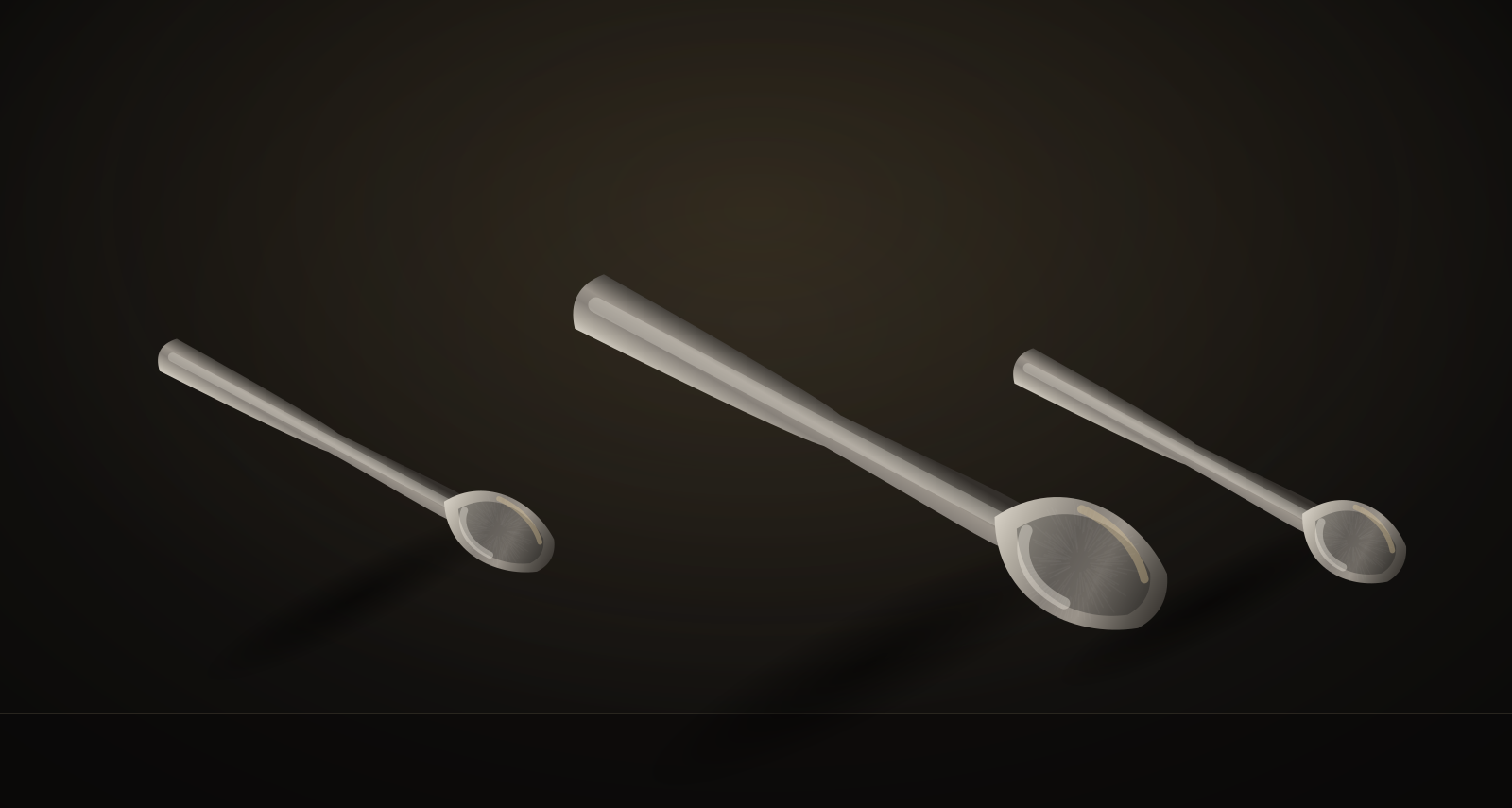
A spoon is the hardest simple thing I know how to make. The bowl has to be sunk and raised so the metal thickens rather than stretches thin, the handle has to be forged so it balances in the hand, and the join between the two has to look like it was always there. Getting all three right in one piece takes practice and it takes time, which is most of what you are paying for.
Where a spoon is made from one piece, I say so. Where the bowl and handle are made separately and joined, I say that too. Neither is dishonest, but they are different amounts of work and they should not cost the same. There is a note on why a soldered seam stays findable.
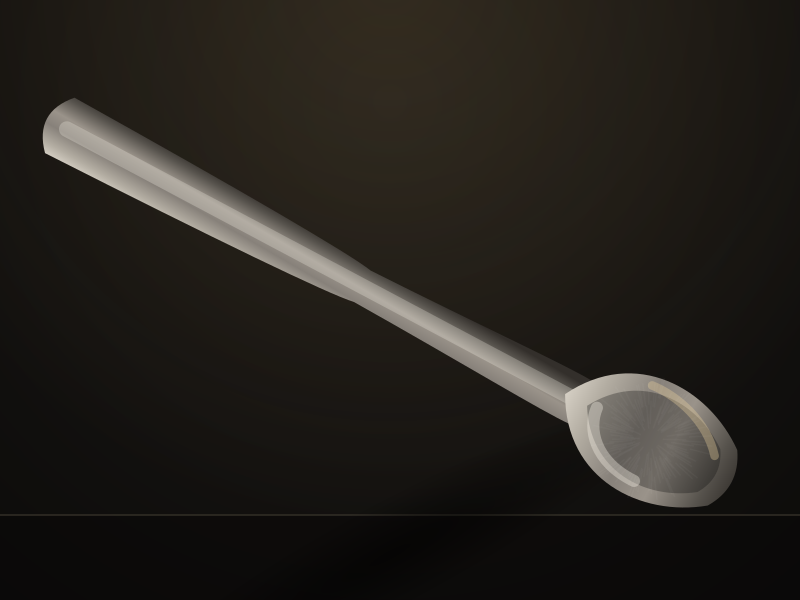
Salt Spoon
Sixty-five millimetres long with a small round bowl. The smallest thing I make and a good way to own something hand-raised without spending much. Made in small batches of six because the setup takes longer than the spoon.
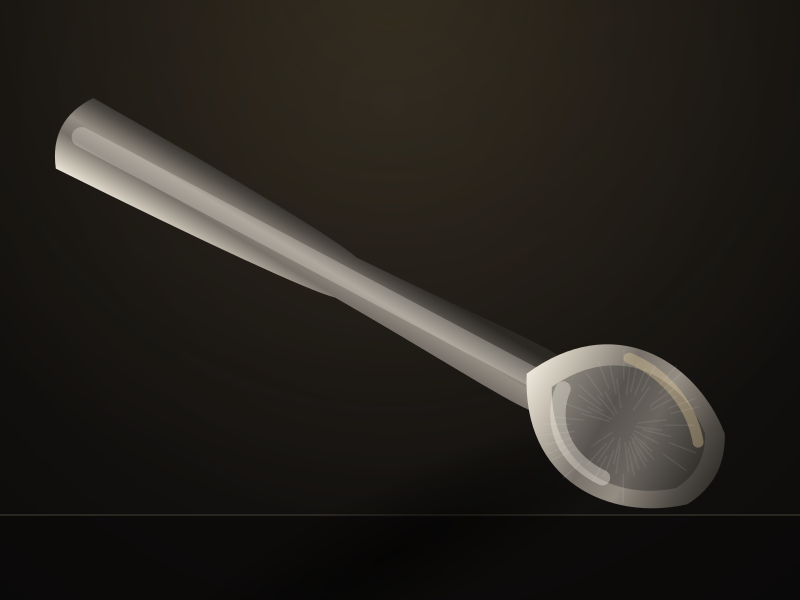
Caddy Spoon, Shell Bowl
A short handle and a broad shallow bowl with fluting worked out from the centre. Made for loose tea, which is what caddy spoons were for, though most of them now sit in a drawer looking handsome. This one is sturdy enough to be used.
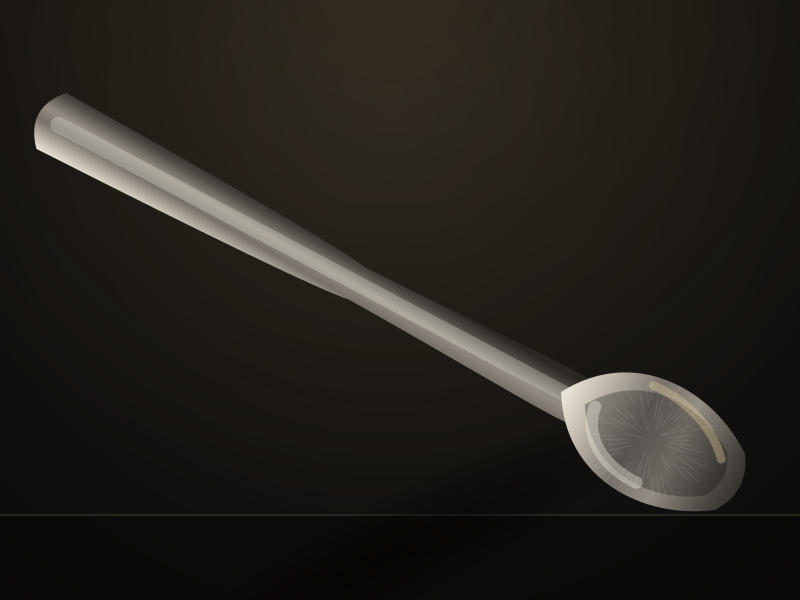
Coffee Spoon
Ninety-five millimetres, an oval bowl and a plain tapered handle. Light in the hand on purpose. If you want a set of six, the price per spoon comes down because the batch work does.
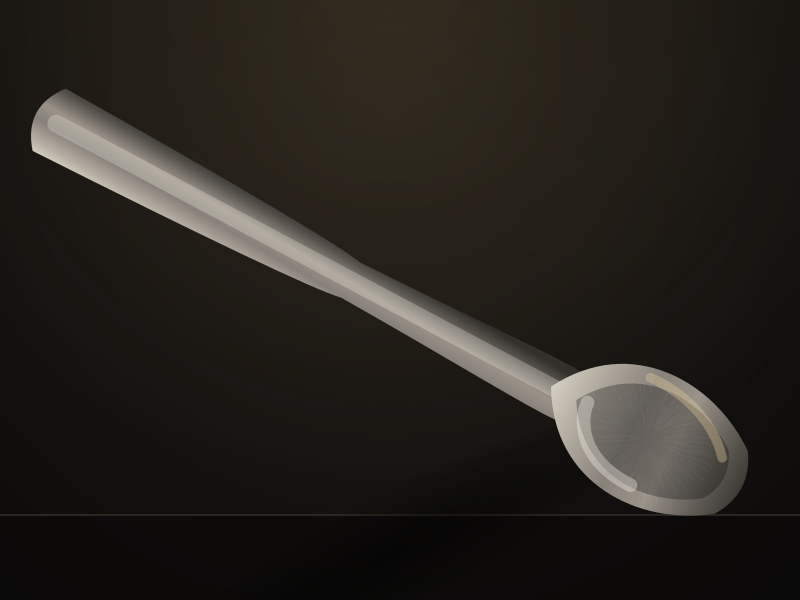
Teaspoon, Plain Handle
The everyday one. A hundred and thirty millimetres, a deep oval bowl, and a handle that widens slightly at the end so it does not slide through the fingers. Satin because a teaspoon lives in a cup and a mirror finish on a teaspoon is a promise nobody can keep.
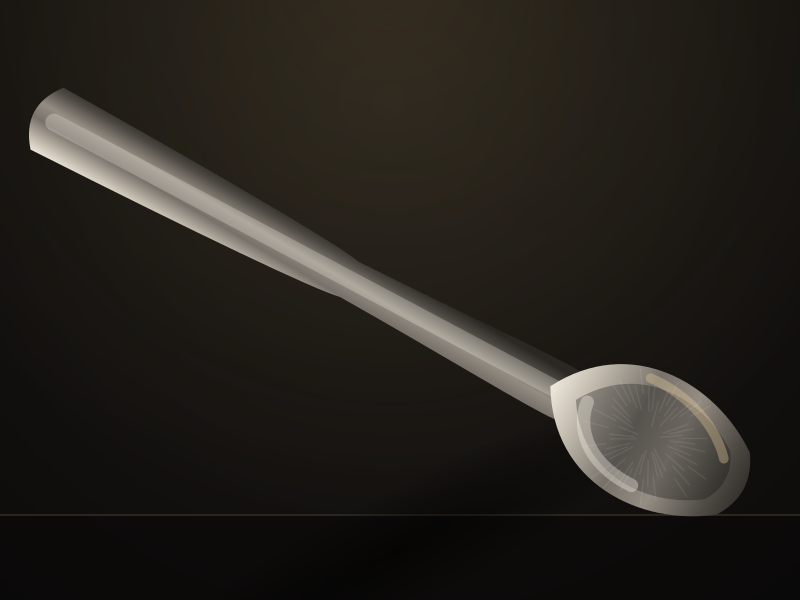
Teaspoon, Rat-Tail
The same spoon with a rat-tail worked down the back of the bowl, a raised ridge that runs from the handle into the bowl and stiffens the join. It is a structural feature that happens to look good, which is the best kind. It adds about an hour to the work.
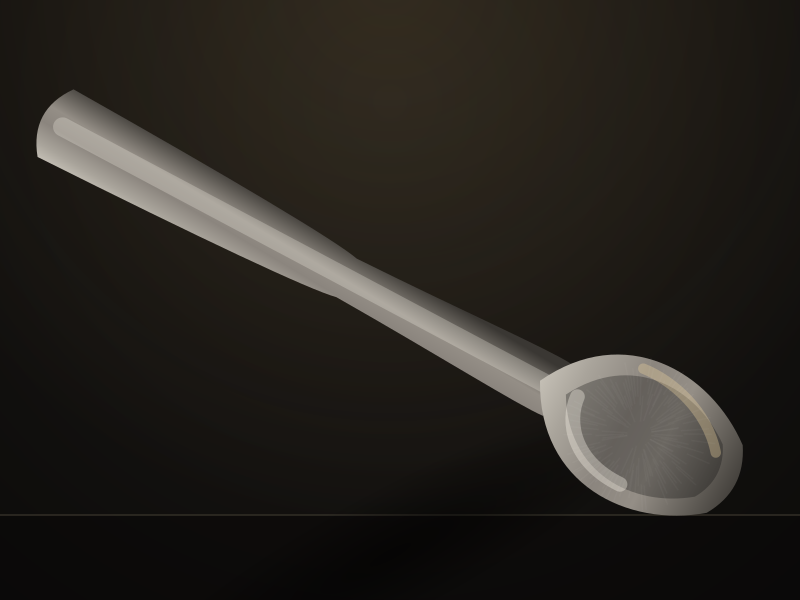
Preserve Spoon
A round, fairly deep bowl on a short handle, meant to go into a jar and come back out without scraping the sides. Matte finished because preserve spoons get sticky and sticky things get washed hard.
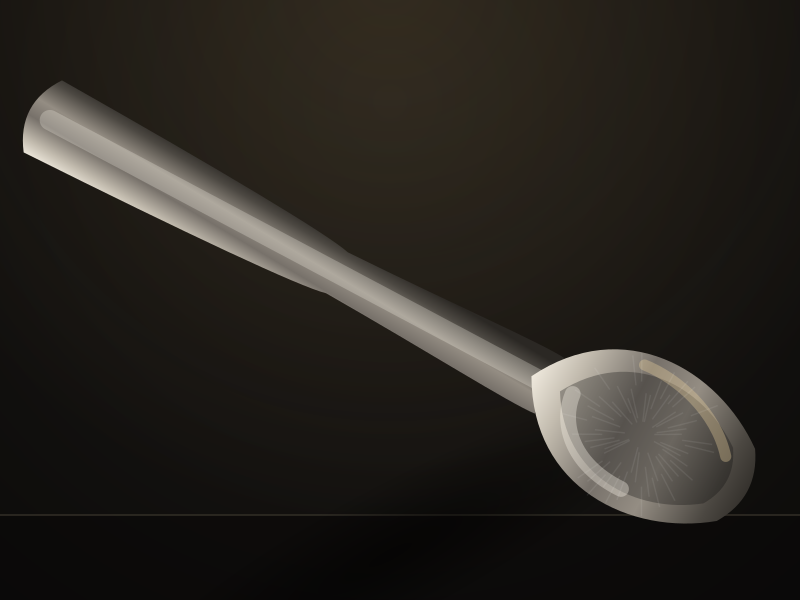
Serving Spoon
Two hundred and ten millimetres, a large deep bowl raised from 1.5 mm sheet, and a heavy forged handle to balance it. This takes the best part of two days. It is the piece that most clearly shows what raising does to metal, because you can feel the bowl is thicker at the rim than the sheet it started as.
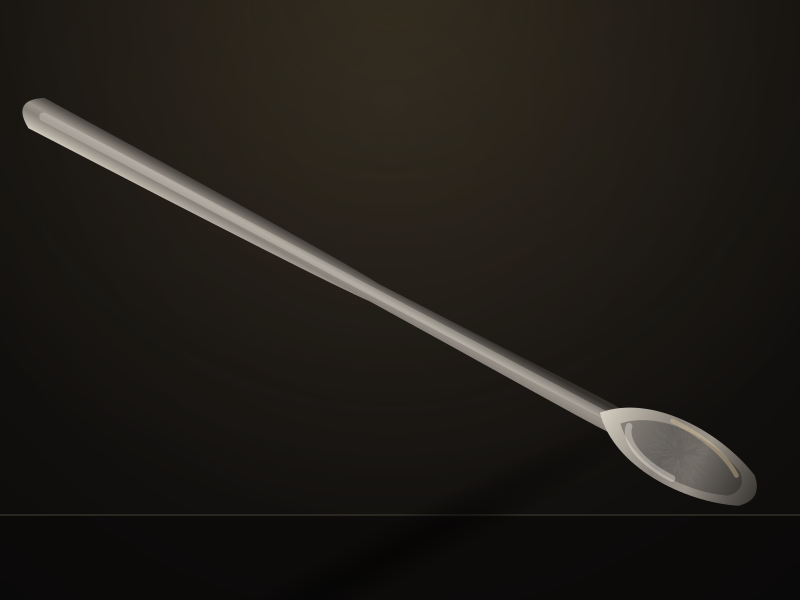
Letter Knife
A forged blade with a rolled spine and a blunt edge, on a round handle. Silver is soft, so this is a paper knife and nothing more. Forged rather than filed from sheet, which is why the blade is stiff enough to be useful.
Weights vary by a gram or so between pieces of the same pattern because the metal is worked by hand. The figures below are actual weighed values, not nominal ones.
The other collections